Benefits of Body Massage
what's in it for you ...far more than relaxation!
The benefits of body massage go far beyond images of luxurious spas with candles, fancy robes, or slippers, and include healthy things that money cannot buy.
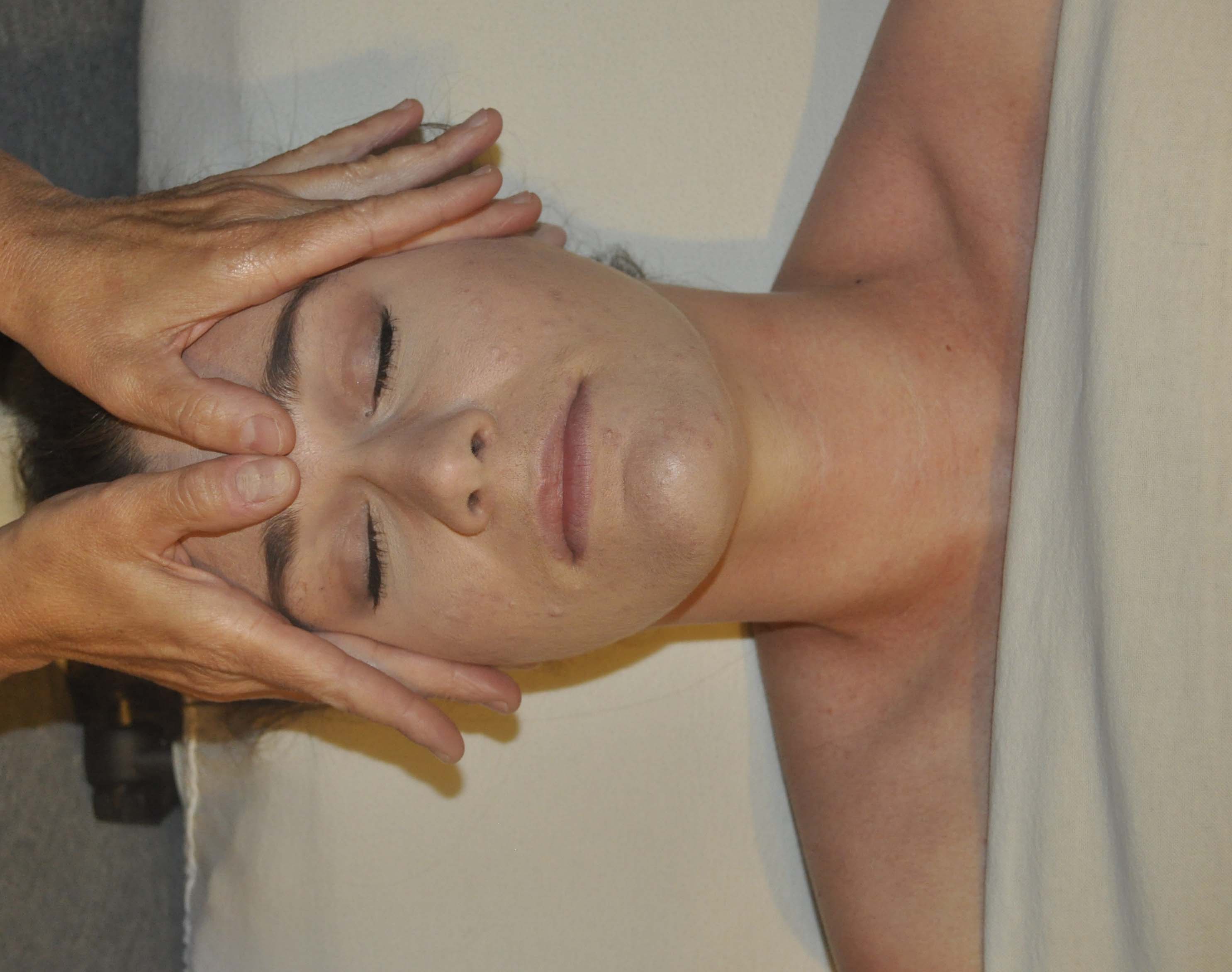
Nice things...but not what most people truly need.
When I started massage school 20 years ago, I thought I would be providing that "plush" spa environment for my clients. Little did I know that "plush" would rarely be what a client truly needed.
Many times, the greatest massage therapy benefits, and what causes a total release of stress, is knowing that your therapist's attention, energy, and focus is totally on you and your healing.
Just as a counselor or trusted friend is there to listen to us as we verbally release angers or fears, a massage therapist is there as we release the worries of our mind, allowing us to escape reality, if only for a short time
19 Benefits of Body Massage
- Reduces Stress - Stress causes us to release the hormones of cortisol and adrenaline, our muscles tighten and our blood pressure rises. Over time, it can cause serious medical issues.
- Reduces Pain - pain caused by Migraines, PMS, Carpal Tunnel, Sinusitis, Plantar Fasciitis, SI Joint Disorders, and Whiplash
- Helps Release Trauma - Many massage therapy techniques help release painful trauma from injuries, car accidents, fighting in war, life-altering events or loss of loved one. Massage therapy helps by providing a safe place to let go of psychological effects often held in the mind, body and/or spirit.
- Promotes deep relaxation - especially with hot stone massage, sometimes allowing our bodies to go into the first or second stage of sleep
- Helps ease TMJ pain - tension held in muscles from trauma make them tight, and over time the tightness becomes a constant, chronic problem
- Lowers blood pressure - by relaxing the body, easing stress, and calming the mind
- Back Pain - loosens tight muscles in back to encourage release of deep tissue restrictions
- Improves Range of Motion - allowing us to move more freely
- Calms Arthritis - helping ease painful joints
- Reduce anxiety - by releasing endorphins and calming the mind
- Improves facial muscle tone - and stimulates circulation, reduces the appearance of fine lines, puffiness, and dark circles; nourishes, hydrates, detoxifies - just some of the benefits of facial massage
- Aids in recovery from sports injuries - helping athletes return to the sport they love
- Bulging disc - eases pain from herniated disc
- Helps ease depression - allowing healing of mind, body and spirit
- Improves our ability to heal naturally - from disorders like scar tissue, breast cancer surgery pain, and edema....without drugs
- Improves Sleep - allowing us to sleep deeper and longer
- Neck pain - from computer work, driving all day, or sprain of muscles of neck
- Fibromyalgia - by concentrating massage on the 18 main "hot points" of pain
- Sciatica - Increases circulation and promotes natural healing
Massage Therapy Techniques
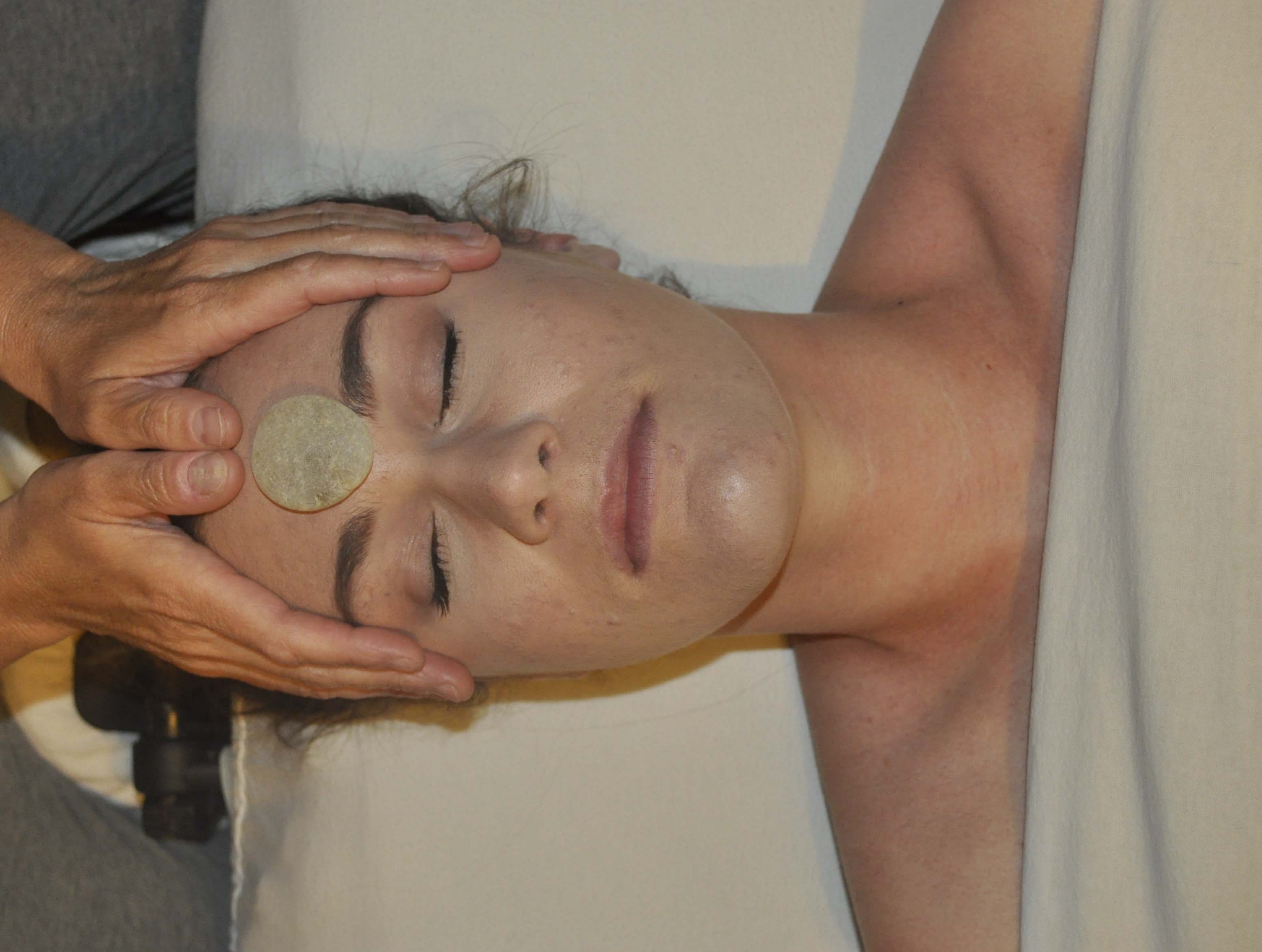
Massage for Chronic Pain and Illness
Although, the basic goal of bodywork is to help the body heal itself by increasing blood flow, bringing oxygen to muscle tissue and helping to eliminate waste build-up, the "greatest" goal is to release the worries of the mind, if only for a while.
The healthy benefits of body massage can bring peace to our bodies, a sense of peace that goes on and on, far beyond the hour of therapy.
Bodywork therapy is no longer just for the elite few. It is now being practiced in hospitals and clinics all over the world, as more studies are conducted on it's benefits for chronic pain and illness.
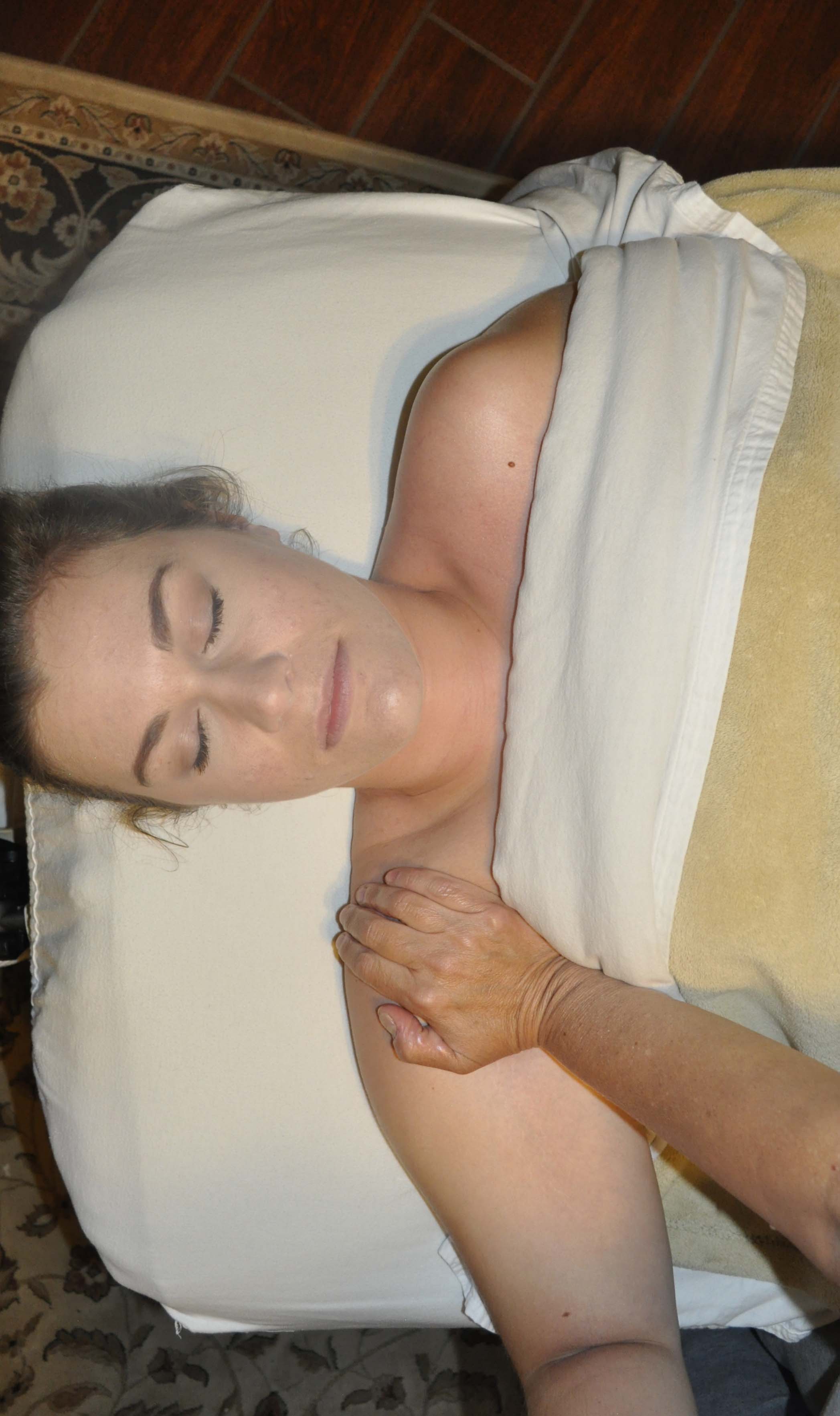
Research shows that regular bodywork may help us live a longer, healthier life. It can definitely help us live with less stress.
Massage therapists, chiropractors, acupuncturists, and herbalists are learning and practicing alternative therapies in wellness centers all over the world. Read more about massage careers and what they study.
The benefits of body massage are no longer just for reduction of stress, but for common ailments like headaches, neck pain, and back pain....things we feel everyday.
We all search for ways to relieve stress, cope with pain, and give our bodies natural healing alternatives. Massage therapy is definitely one of those natural alternatives.
Massage therapy can be a great addition to your lifestyle by helping you deal with all these issues,.. which may greatly outweigh any price you pay for the session.
It has been estimated that 80-90% of illness is stress related.
Although massage may not be a "cure-all", the benefits of body massage can certainly help us to manage the stresses and pains of everyday life.


New! Comments
Have your say about what you just read! Leave me a comment in the box below.