Massage for Hypertension
5 reasons why it may be the best natural treatment you can get!
Massage for hypertension is so beneficial because it helps relax the mind, ease tension, lower heart rate, and melt the stress of this serious medical condition that is caused by too much pressure in blood as it moves through arteries and veins.
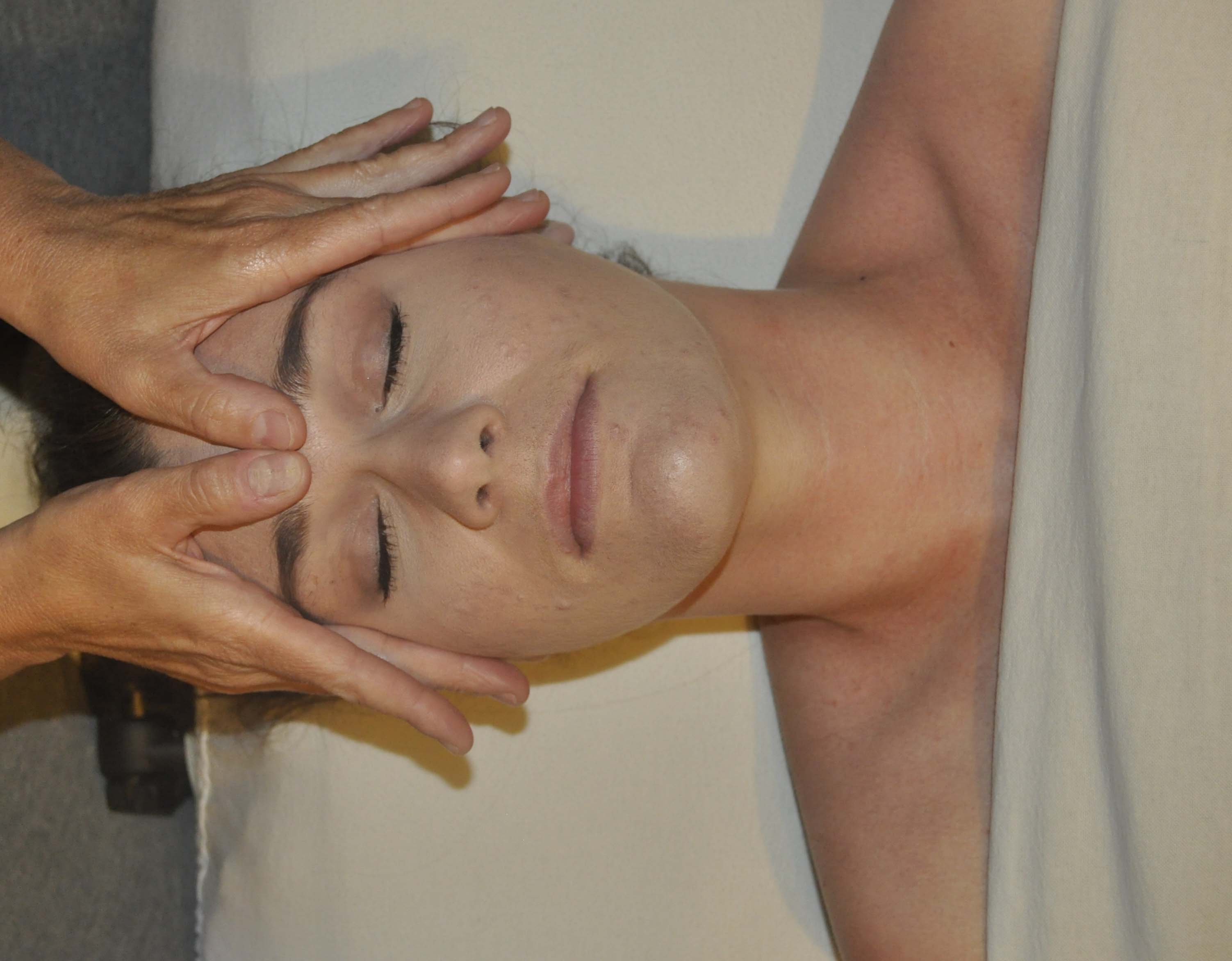
5 Reasons why massage for hypertension may help
1. Decreasing chances of Vascular Weakness
Vascular weakness is caused by overstretching of the vessels, creating weak areas, making them more susceptible to rupture. Ruptures cause aneurysm and stroke. Massage therapy helps relax the mind and body, while reducing stress, lowering heart rate, and lowering the pressure put on vessels.
2. Increasing circulation and decreasing risk of Blood Clots
Trapped blood causes clots which can break off and clog vessels, cutting off blood supply to parts of the body. This often causes heart attack or stroke.
Plaque build-up can also cause clogged vessels and decreased blood supply, leading to heart attack or stroke.
Massage helps to increase circulation throughout the body, allowing proper blood flow to areas that need it most.
3. Calming some serious warning signs - Most of the time there are no symptoms of hypertension. However, some people do have signs such as:
- Nose bleeds
- Irregular heart beat
- Headaches
- Vision change
- Ear pain or eye pain
- Tiredness or fatigue
Relaxation massage techniques can be therapeutic for those with hypertension, calming these symptoms. especially when combined with relaxing lavender oil. If the patient has not been treated by their physician, however, massage could be detrimental as it tends to increase blood flow which can cause more harm.
4. Proof that it helps - Many studies have shown that massage therapy techniques can effectively reduce blood pressure:
Researchers from the Touch Research Institute, conducted a 1999 study that showed abnormal blood pressure symptoms were reduced by regular massage therapy sessions.
Results indicated that while two study groups (one who received regular massage therapy sessions and the other who practiced various relaxation techniques) had lowered anxiety levels, only the group that had massage therapy decreased their diastolic and systolic blood pressure.
In 2005, the University of South Florida tested how a regular back massage could effect blood pressure. Because of significant positive changes in both systolic and diastolic pressure, researchers concluded that regular massage therapy lowers blood pressure.
In 2013, Sedighe Tahereh Cardiovascular Center began a study to examine blood pressure changes after massage therapy, done for 10 minutes 3 times per week, for 3 weeks was performed and showed relaxation massage had the positive effect in lowering blood pressure.
Results were as follows:"The results indicated that mean systolic and diastolic BP in the massage group was significantly lower in comparison with the control group (P < 0.001). Evaluation of durability of the massage effects on BP also indicated that 72 h after finishing the study, still there was a significant difference between the test and control groups in systolic and diastolic BP. "
You can read more about alternative therapies for hypertension here.
Always consult your doctor if you suspect you have hypertension.
5. Relaxation of mind, body, and spirit - this is the greatest reason to get massage - it's just plain good for you to relax the whole person, telling your body it's okay, giving it peace and calmness, in the midst of everyday stress.
Massage therapy may be a natural solution to bring your blood pressure down, but this is a potentially serious medical issue that should be addressed by a healthcare provider.
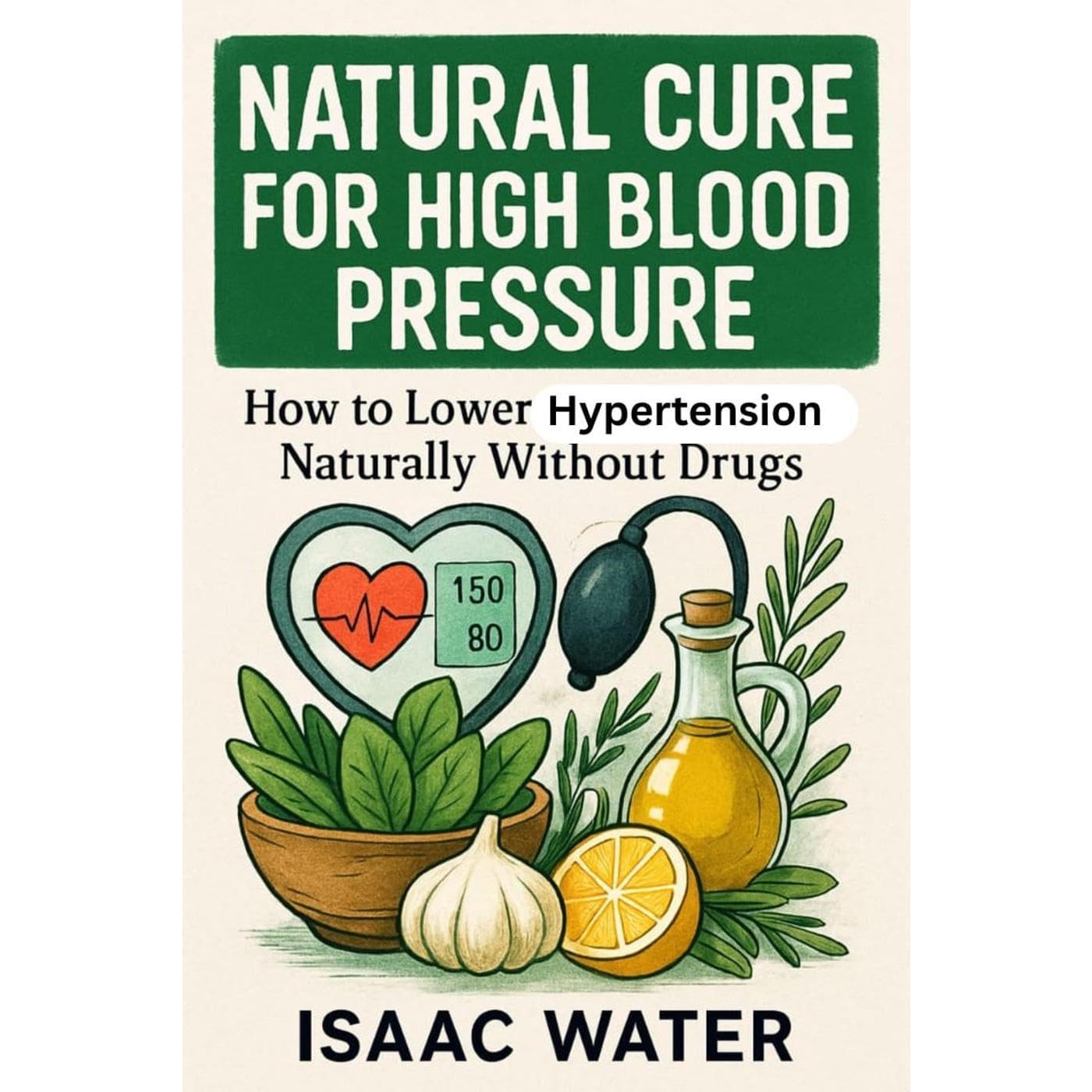
Other Relaxation Techniques
Relaxation techniques are vital for managing hypertension because they counteract the "fight-or-flight" stress response, lowering heart rate, widening blood vessels, and reducing blood pressure.
Regular practice, such as 15 minutes of slow breathing daily, can reduce systolic blood pressure by up to 10 points. While not a replacement for prescribed medication, these techniques serve as effective, evidence-based adjuncts that improve overall cardiovascular health and emotional well-being.
Impact on Blood Pressure
Consistent practice of relaxation methods has been shown to produce significant, albeit often short-term, reductions in blood pressure. Key interventions and their approximate systolic reductions include:
- Mindfulness: ~9.90 mm Hg
- Meditative movement (Yoga/Tai Chi): ~9.58 mm Hg
- Meditation: ~7.71 mm Hg
- Breath control: ~6.65 mm Hg BMJ Group +1
Why They Work
These techniques shift the body from a sympathetic nervous system state (stress/tension) to a parasympathetic state (rest/recovery). Benefits include:
- Physiological Changes: Decreased inflammation, improved oxygen exchange, and reduced heart rate.
- Nervous System Regulation: Improved heart rate variability and baroreflex sensitivity, which helps the body better regulate pressure changes.
- Gene Expression: Emerging research suggests certain relaxation responses may even alter gene expression in pathways related to cardiovascular development and metabolism.
Getting a massage for hypertension and learning natural alternatives to prescription drugs can help fight high blood pressure, giving yourself one of the greatest gifts you could ever give.
Go Back to Benefits of Body Massage from Massage for Hypertension

