Skin Disorders
Contagious and Non-Contagious
Learning to recognize contagious and non-contagious skin disorders is part of self care for everyone who interacts with the public, but it is especially concerning to massage therapists.
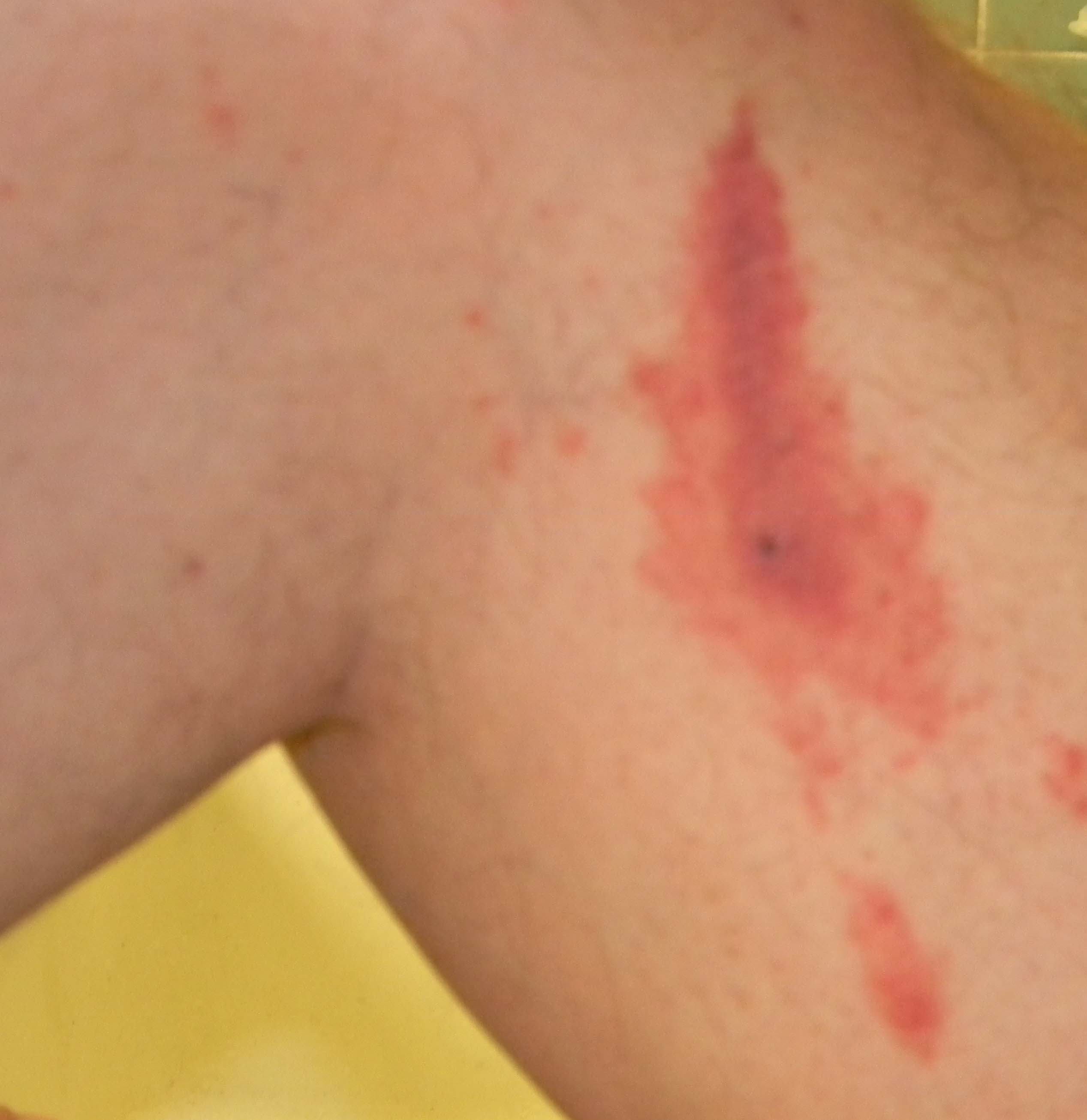
It is also important to learn about skin conditions and diseases that can cause rash, blisters, sores and discoloration of the skin.
Why?
1. To ensure client/therapist safety
2. To help determine appropriate contraindications ( avoid spreadinginfections or aggravating conditions)
3. Facilitate early detection of serious conditions like skin cancer
4. Informed Care - allows therapist to adjust techniques and products for treatment
Other Imporatnt Tips:
1.If you are a massage therapist or spa owner, leave enough light in your massage room that you can clearly see any skin issues on your client.
2. Make it a habit to ask people you work with if they have any sores, abrasions or open wounds that you should be aware of.
3. Use hypoallergenic products - fragrance-free, non-comedogenic are best with people with skin disorders, as they aften have sensitivities
4. Be careful not to cross-contaminate - use disposible applicators to scoop lubricant from jars to prevent contamination of entire container
5. Sanitization - wash linens in hot water (at least 160 degrees) with bleach and thouroughly disinfect all surfaces after the session
Non-Contagious Skin Disorders
1. Psoriasis
Psoriasis is a condition that causes big areas of red, raised skin, flaky dry skin, and scaled skin. It has no cure, and cannot be contracted with skin to skin contact.
2. Eczema
Eczema is a skin condition caused by inflammation. It is a chronic condition for many people. It is most common among infants, many of whom outgrow it before school age.
3. Rosacea
Rosacea is a very common acne-like facial skin condition which has red or pink patches, broken blood vessels, small red bumps, and pink eyes. It is found in people with very fair skin.
Contagious Skin Conditions
1. Impetigo
Found mostly in children, this highly contagious skin condition often happens after a recent upper respiratory infection. Impetigo begins as itchy, red sores that blister, produce fluid, and eventually become covered with a tight crust.
2. Tinea
Ringworm (Tinea) is a common skin disorder.
There are multiple forms of ringworm, which affect the skin on the body (tinea corporis), the scalp (tinea capitis), the feet with athlete's foot (tinea pedis), or the groin with jock itch (tinea cruris).
Tinea Versicolor - Tinea Versicolor is thought to be the most commonly occurring type of fungal skin infection and can affect adults, although it's most prevalent in adolescents.
Often found on oily parts of the body, like chest or back, it causes many small, flat spots on the skin. The spots can be flaky or itchy. Many small spots may also blend together into larger patches.
3. Scabies
Scabies is an itchy skin condition caused by a tiny mite called Sarcoptes scabiei. Blistery bumps often appear. Scabies is often found between the fingers, in the armpits, around the waist, on the inside of the wrist, on the inner elbow, on the knees, and on the buttocks, but can be in other locations.
Overall Caution
Basically, use extreme caution and avoid skin issues that have blisters, itchy or dry patches, open wounds, or ring-like sores. The best self care advice....ask your client about questionable areas and avoid anything that looks suspicious.
Here's a site with great info on skin conditions. They offer suggestions on how to recognize them, prevention (to avoid skin issues in the first place) common causes of issues concerning skin, as well as natural treatments.
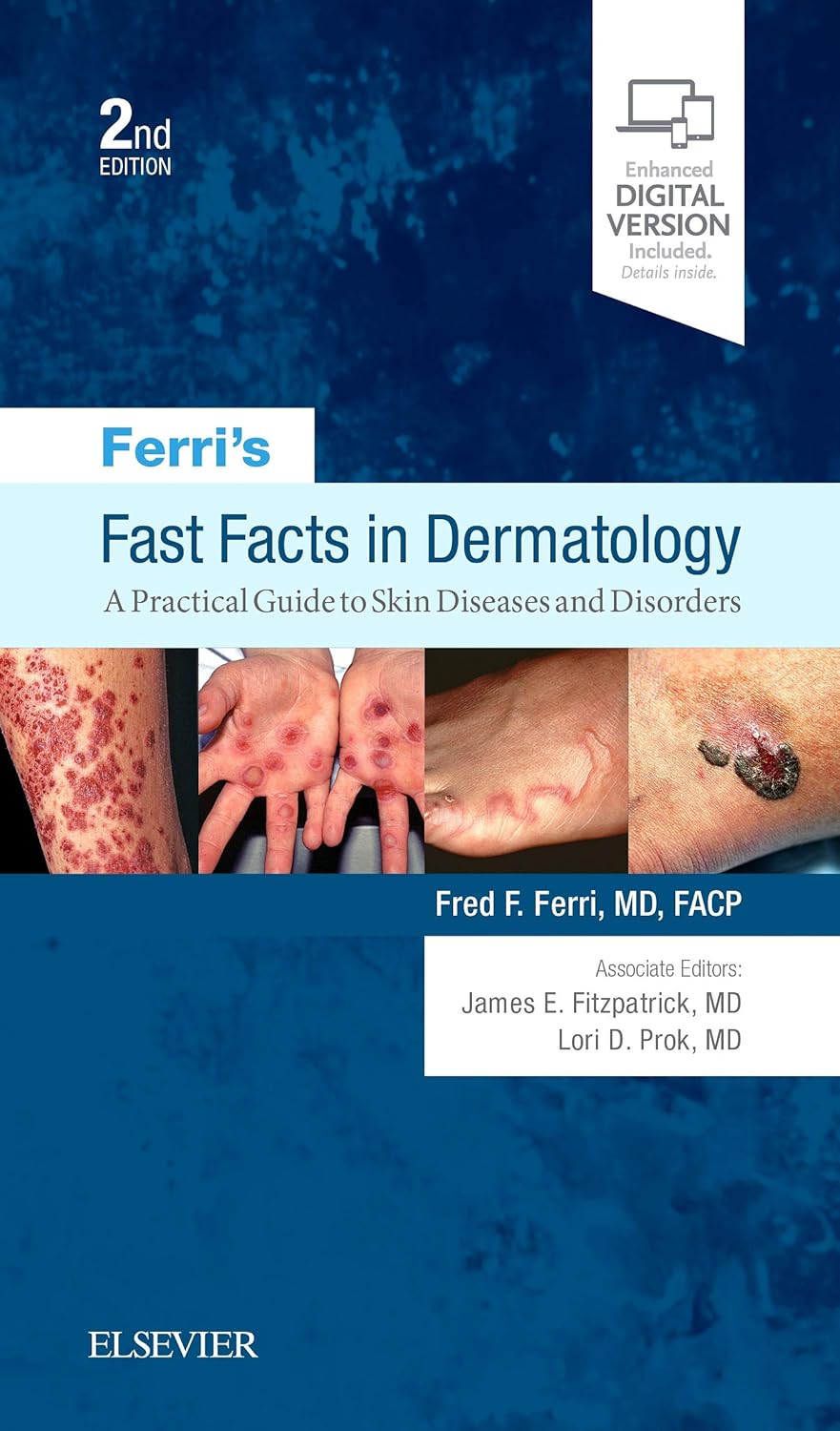
About This Book
Pocket-sized for easy portability and reference, this highly practical, full-color resource provides expert guidance in the diagnosis and treatment of the dermatologic conditions most often seen in everyday practice.
Veteran author Dr. Fred F. Ferri, joined by University of Colorado dermatologists James Fitzpatrick, MD and Lori Prok, MD, present this enhanced, updated edition to aid medical students, residents, practicing physicians, and allied health professionals who deal with disorders of the skin.
- Devotes a section to practical dermatologic differential diagnosis, providing a quick reference to differential diagnoses of common complaints.
- Covers each topic in a consistent, practical format: General Comments (definition, etiology), Keys to Diagnosis (clinical manifestations, physical examination, diagnostic tests), Differential Diagnosis, Treatment, and Clinical Pearls.
- Contains new, high-quality images in a larger size for superb visual diagnostic guidance.
- Expert Consult™ eBook version included with purchase. This enhanced eBook experience allows you to search all of the text, figures, and references from the book on a variety of devices.
It teaches about skin issues and has hundreds of pictures that actually shows what each condition looks like, and how it is commonly treated. This guide helps you identify what is contagious and what is not contagious.
Anyone who works with the public should learn how to identify common skin disorders, to protect themselves and their families.
Go back to Massage Education Guide


