Japanese Massage Video
learning ancient healing therapies!
A Japanese massage video teaches how to give a massage based on ancient bodywork therapies, handed down from centuries of family massage therapy traditions.

The three most common types of Japanese massage are shiatsu. ashiatsu, and zen shiatsu.
A massage therapist can learn a variety of specialized techniques, anatomical focus areas, and holistic philosophies from Japanese massage videos on YouTube. These videos often showcase traditional methods that emphasize energy balance, precise pressure points (tsubo), and structural alignment, differing significantly from Western modalities.
Key learning from a Japanese massage video include:
1. Traditional Techniques and Modalities
- Shiatsu ("Finger Pressure"): Therapists can learn to use thumbs, fingers, and palms to apply rhythmic, deep pressure along energy channels (meridians) to release stagnant energy (Ki).
- Anma (Traditional Massage): Videos often demonstrate ancient techniques involving kneading, rubbing, and percussion designed for deep relaxation and muscle rejuvenation.
- Seitai ("Balanced Body"): Focuses on restoring the body's natural alignment through gentle manipulations, postural adjustments, and stretches.
- Ashiatsu (Barefoot Massage): Demonstrations showing how to use the feet to apply broad, deep pressure to large muscles like the back and glutes, often while using overhead bars for balance.
- Kobido (Facial Massage): Known as the "ancient way of beauty," these videos teach fast, rhythmic movements to lift, sculpt, and increase circulation to the face and neck.
2. Specific Japanese Bodywork Skills
- Tsubo and Meridian Mapping: Learning to identify specific acupressure points along meridians where energy tends to become blocked, similar to acupuncture but using pressure.
- Body Weight Utilization: Japanese techniques often focus on using the therapist's body weight to apply pressure rather than muscular force, reducing strain on the therapist's hands.
- Stretching and Rotation: Techniques for passively stretching clients (similar to yoga) to improve flexibility and release joint tension.
- Head/Scalp Massage: Specialized techniques for relieving stress and promoting circulation, which can be incorporated into a head spa service.
3. Therapeutic Focus Areas
- Back/Shoulder Tension: Specific sequences for deep upper back and shoulder blade release, often highlighted in Japanese oil massage videos.
- Relaxation & ASMR: Many videos are filmed in an ASMR style to help practitioners understand how to create a tranquil environment that encourages the client's body to move from "fight or flight" into deep relaxation.
- Postural Alignment: Techniques designed to address structural issues and encourage self-regulation of the musculoskeletal system.
4. Client Comfort and Setup
- Clothed Massage Techniques: Shiatsu is frequently practiced over clothing, providing a comfortable option for clients who prefer not to undress.
- Floor vs. Table Techniques: Many videos demonstrate working on a mat on the floor (futon), which allows for different angles of pressure and leverage, though many techniques can be adapted for a table.
For a massage therapist looking to expand their skill set, YouTube channels focusing on Shiatsu, Seitai, and Japanese head spas can provide both visual training and a deeper understanding of the holistic Japanese approach to health.
Key Benefits of Japanese Massage Therapy:
- Stress Reduction and Deep Relaxation: Shiatsu activates the parasympathetic nervous system, triggering a deep relaxation response that lowers cortisol levels, the hormone associated with stress.
- Pain Relief and Reduced Muscle Tension: By targeting specific meridian points and using stretching techniques, it helps alleviate chronic pain, such as back pain, headaches, arthritis, and joint stiffness.
- Improved Circulation and Lymphatic Flow: The pressure applied during the session stimulates blood flow, enhancing the delivery of oxygen and nutrients to tissues, while also supporting lymphatic drainage to aid detoxification.
- Enhanced Sleep Quality: Regular sessions are known to improve sleep quality, reduce insomnia symptoms, and provide more restorative rest.
- Balanced Energy Flow (Qi): Shiatsu focuses on removing blockages in the body's energy channels (meridians), which is believed to balance internal energy, fostering overall vitality and harmony.
Key Characteristics of Japanese Massage:
- No Oils Used: It is generally performed while the recipient is fully clothed, often on a futon mat on the floor.
- Tailored Pressure: While it can be deep, the pressure is adjusted to the client's comfort level and can range from gentle to deep.
- Holistic Approach: It focuses on the whole person—body, mind, and spirit—rather than just the area of pain.
Shiatsu encourages a calm, relaxed state of meditation, helping to create a harmony between the mind and body. Practitioners are often taught how to be very "present" with the client, as just presence can bring healing.
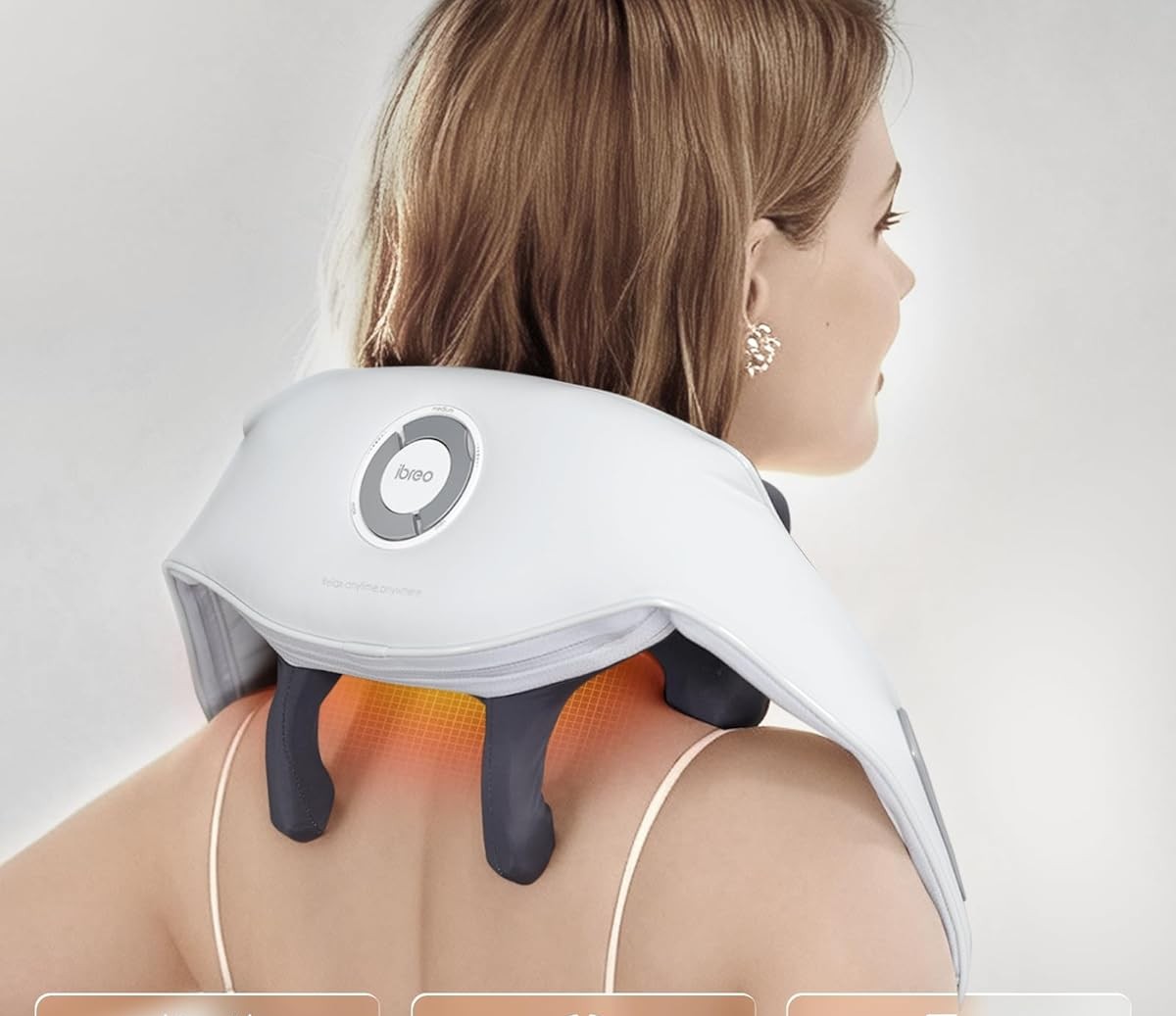
The Ibreo Shiatsu Neck and Back Massager with Heat features:
• 150 Minute Uses
• 4 Modes & Adjustable Massage Head
• Electric 3D Deep Tissue Kneading for Shoulder, Leg, Muscle Soreness, Pain Relief, Relaxation
• For Women and Men
This video clip demonstrates how it is used:
Ibreo Shiatsu Japanese Massage Video Demonstration
Read more about live classes in Zen Shiatsu Chicago.
This Japanese massage video demonstration shows what a great at-home massage tool this can be for a tension-filled neck and shoulders!
Go back to Massage Video Clips from Japanese Massage Video Page

