Massage Therapy for Scar Tissue
soothe inflammation, ease pain, speed healing time!
Massage therapy for scar tissue, caused by fibrous connective tissue that has begun to heal from surgery, injury or disease, is beneficial in helping scars to heal faster. It's also good in helping them be less prominent, as they are often raised and dense because of limited blood supply. Function and sensation may also be limited.
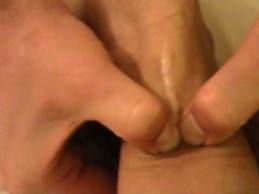
Manual lymph drainage can help by reducing lymph congestion, reducing pain and discomfort, breaking up fibrous tissue and creating more flexibility with easier movement.
Using slow, gentle, circular or kneading motions, the therapist may try to actually stretch the skin above and below the tissue.
Therapists often see patients for scar pain due to surgeries like breast cancer/reconstruction, foot/toe surgery, C-sections, knee surgery, hand surgery (for injuries like carpal tunnel), or back surgeries.
Myofascial Release and Deep Tissue massage techniques may also be used to gently loosen the scar's adhesions. Deep pressure may be too much for the client, depending on the age of the scar, so be aware of their comfort level at all times.
During the first 5-6 weeks after the surgery or injury, a massage practitioner may only do gentle vibrational motions around the area to help reduce the swelling and pain. Mobilization of tissue around the incision to increase blood flow will often be performed.
However, deeper work may need to be done after a few months to restore elasticity, break up the collagen and encourage more blood flow.
The therapist may lift or stretch (without pulling or tugging on the scar itself) the area in different directions in order to break up the tissue.
Manual lymph drainage techniques will encourage movement of lymph around the affected sight better than any other types of massage therapy.
Visiting a massage therapist for regular treatment of either massage therapy or cupping therapy to the scar damaged area should break it up, making it less visible and less painful to the touch.
Shea butter, emu oil, Vitamin E and arnica oil are great products to use around incision sights to moisturize and calm the inflammation.
Ice can often allow your body to heal quickly, promoting healing by decreasing inflammation, increasing blood circulation, and preventing abnormal scar healing.
Learn more about benefits of massage therapy for scar tissue
What You Will Learn:
- How to break down tight, restrictive adhesions (collagen fiber realignment).
- When it is safe to begin massage (and when to wait).
- Which oils and tools are best for moisturizing and scar softening.
- Step-by-step techniques including cross-friction, circular motions, and skin rolling.
Also, benefits for different types of Scars, like:
- Faster Healing for Post-Surgery Scar Tissue: Learn when to start massage, how to increase blood circulation, and techniques like cross-friction to prevent adhesions.
- C-Section Scar Tissue: Specialized techniques to address numbness, reduce sensitivity, and heal the deep, tender tissues after a cesarean.
- Burn Injury Scar Tissue: Restore skin elasticity and minimize functional limitations with safe, progressive handling.
- Pediatric Scar Tissue: Gentle techniques designed to help parents manage their child’s scars safely, promoting healthy skin growth.
- Tummy Tucks & Cosmetic Surgery: Soften thickened scar tissue and improve soft tissue glide to achieve better cosmetic results.
- Sports Injury Scar Tissue: Break up adhesions that limit muscle movement and bring flexibility back to joints and tendons.
- Acne Scar Tissue: Gentle facial techniques designed to encourage collagen remodel for smoother skin texture.
- Breast Surgery Scar Tissue: Address tightness, nerve sensations, and mobility issues following cancer treatment or augmentation.
- Carpal Tunnel Scar Tissue: Targeted mobilization to alleviate lingering hand stiffness and nerve discomfort.
Scar Tissue Massage Precautions
When massaging scar tissue, do not start too soon; ensure the incision is fully closed (no scabs) and approved by a doctor, usually 6–8 weeks post-surgery. Avoid harsh pressure, as it can increase pain and cause further damage. Never massage open, bleeding, or infected wounds, and avoid direct sun exposure.
What NOT to Do When Using Massage Therapy for Scar Tissue:
- DON'T Massage Before Healing: Do not start on an open wound, scab, or tender area, as this can trigger infection or break the tissue open again.
- DON'T Use Excessive Pressure: Do not push too deeply or too hard. The goal is to move the skin around the scar, not to inflict pain, which can create more tension and scar tissue.
- DON'T Use Excessive Oil/Lubricant: Avoid excessive oils that make your fingers slide uncontrollably over the skin. You need grip to effectively move the tissue.
- DON'T Ignore Pain or Signs of Trouble: If the massage causes pain, or if you notice blistering, increased redness, warmth, or discharge, stop immediately.
- DON'T Massage Only the Surface: Do not just rub the surface of the skin. Scar tissue lies deep, so use techniques that address the underlying adhesions (like lifting or rolling).
- DON'T Be Inconsistent: Skipping sessions makes the treatment ineffective; it requires consistent, daily care (e.g., 5-10 minutes, twice daily) to be effective.
Safety Tips
- Start by massaging around the scar before touching it directly.
- Use unscented lotion, nourishing cream, or vitamin E to help with hydration.
- Perform small, gentle, circular, or cross-friction motions.
- Focus on increasing mobility in all directions.
Read more about massage therapy for scar tissue and how it's used to treat specific medical conditions and pain syndromes.
However, in some cases, ice may not be appropriate. Check with your doctor to make sure it is safe for your type of scar tissue inflammation.
Go back to Massage Education Guide Homepage

