How To Relax Your Mind
natural solutions to reduce stress and anxiety
Letting go and learning how to relax your mind, might be one of the most important things you ever do, because letting go and releasing stress and anxiety might help you live longer.
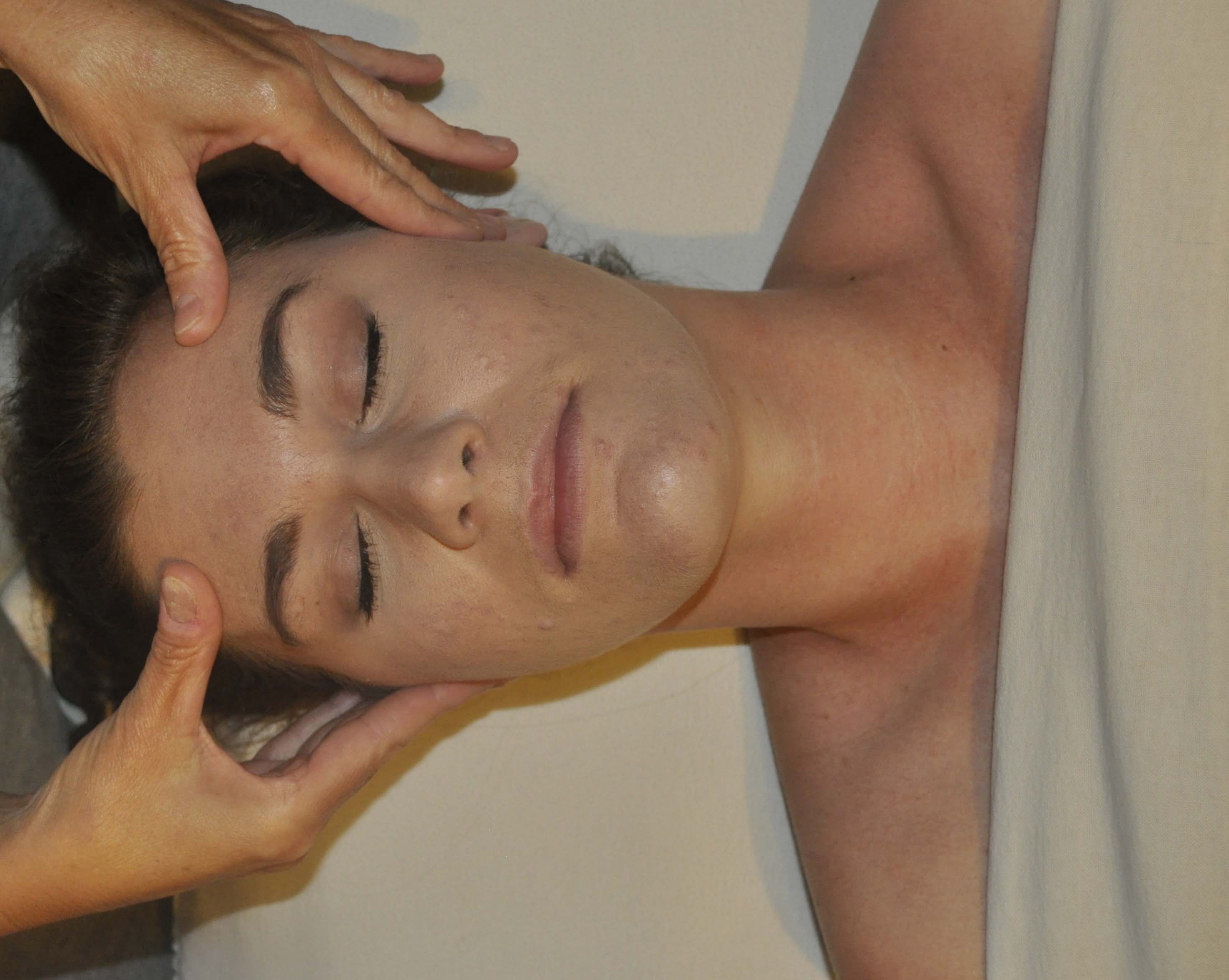
Massage Therapy to Relax the Mind
The benefits of massage for letting go of stress, are much more than a little time of relaxation. Release of trauma, grief, shock, or just some time away from caring for kids, or an elderly family member can change your perspective.
There are many massage techniques offered in salons and spas around the world, but relief can also be found in the comfort of home, using massage tools, essential oils, making your own simple body scrubs or a luxurious body butter, with basic ingredients found in most pantries.
Massage is a natural way to relax the mind, and foot spas, back, head, or neck massagers, and using essential oils allow consumers to learn how to relax at home..... anyday, everyday. Add massage music, and you have started a mini-spa at home.
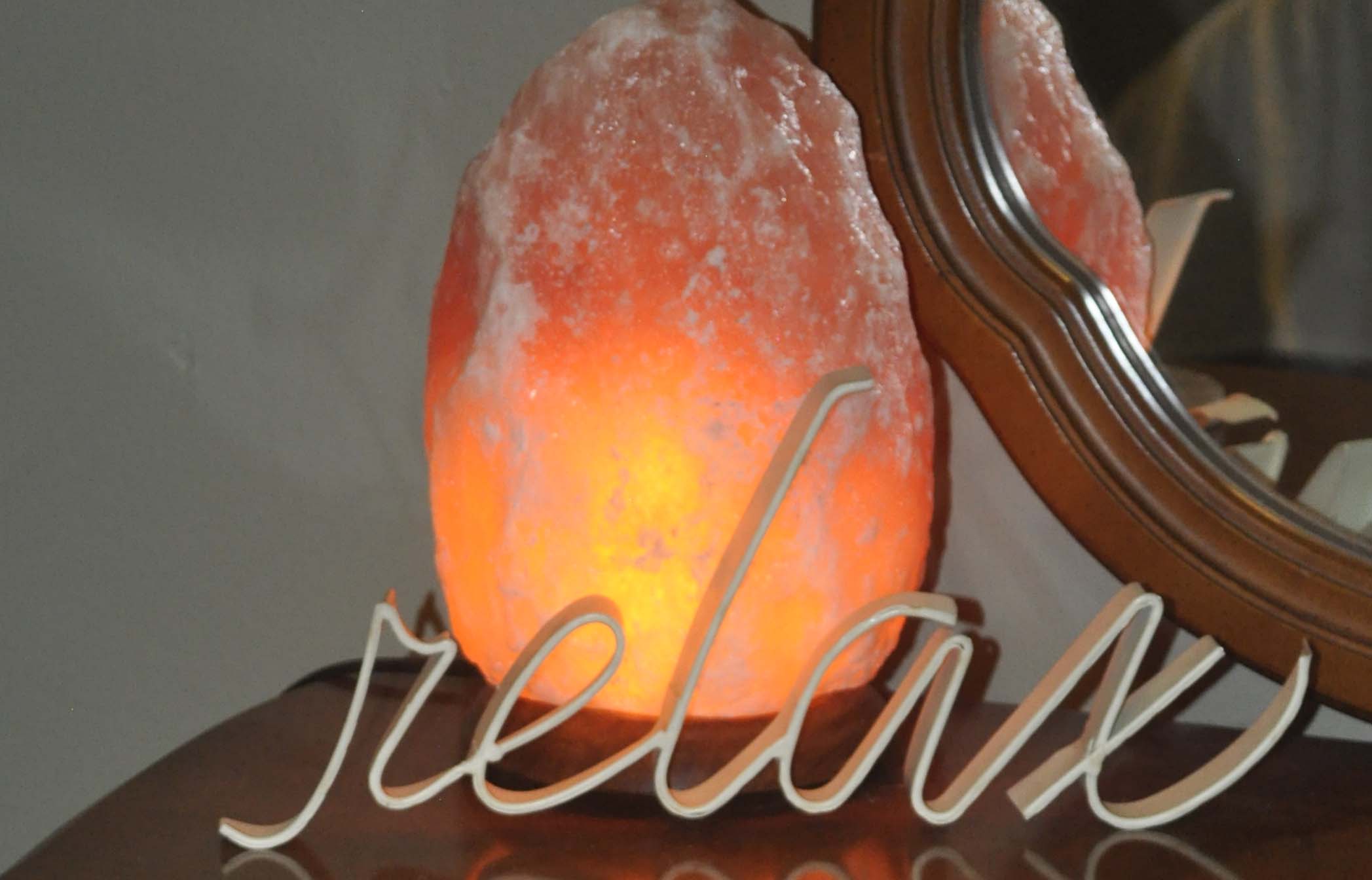
Essential Oils to Relax the Mind
Essential oils are some of the most wonderful, naturally-healing products used today, offering benefits for our mind, body and spirit, allowing release.
- Tea Tree - to help fight bacteria, and boost the immune system
- Eucalyptus - to release nasal and chest congestion
- Bergamot - helps heal acne, eczema, and other skin conditions
- Peppermint - soothes nausea and releaves many stomach- related disorders
- Sandlewood - helps calm the nervous system
- Rose - helps relieve anxiety and worry
- Lavender - encourages relaxation and calmness
- Chamomile - helps support better mood
- Jasmine - helps relieve depression
And these are only a few of the essential oils folks use for spa-like release at home!
Diffuser Benefits for Relaxation
Diffusers are good home spa products because they work to release healthy molecules into the air via a cool air mist, allowing us to breath air, with added essential oils, enabking us deep relaxation.
Through nhalation, the oils provide their benefits and offer a greater feeling of inner peace.
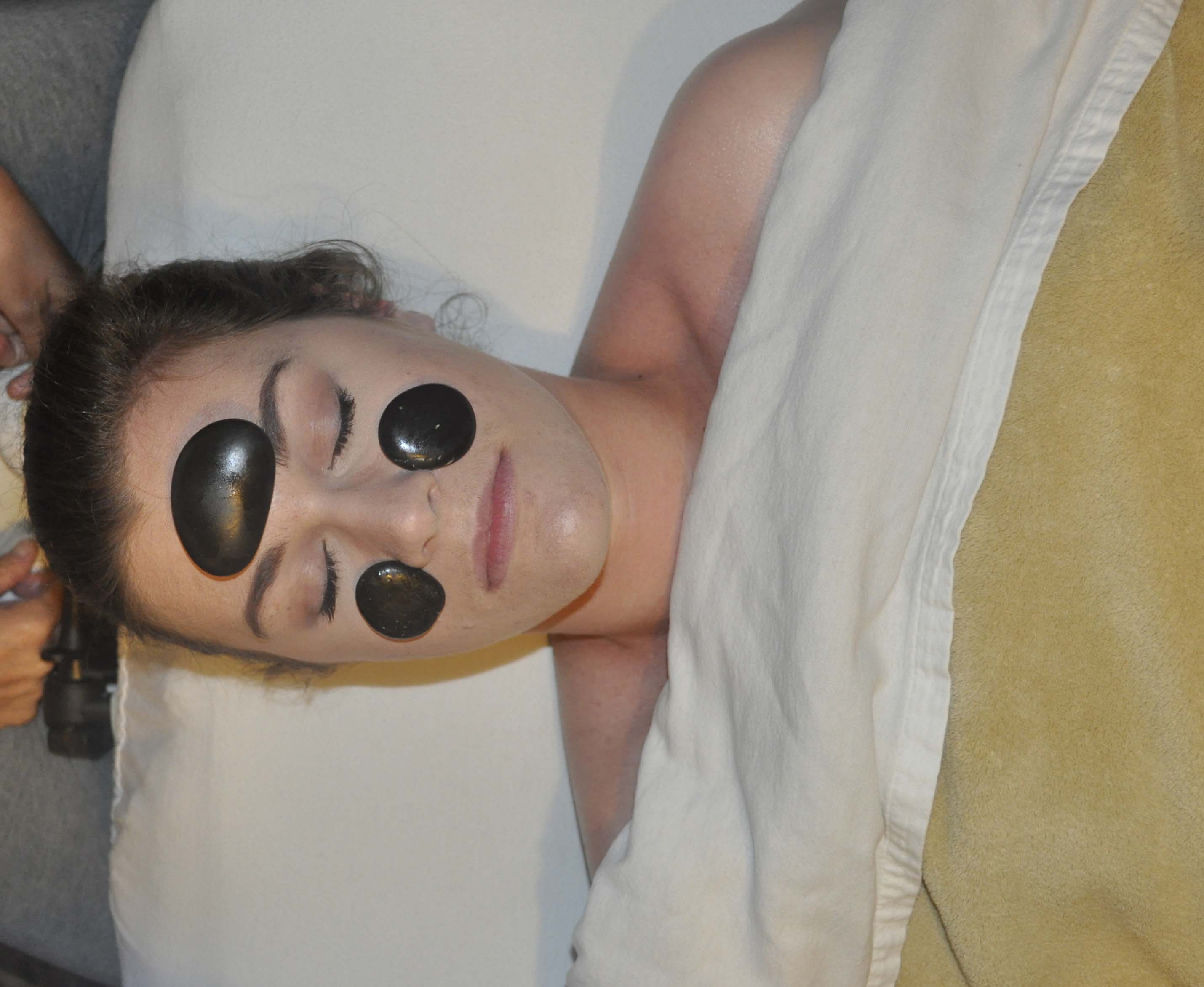
How to Relax Your Mind at Home
Going to a fancy spa or salon, or using the most expensive products to relax, is not what most people need.
If fact, most of the essential oils, body scrubs, and body butters that fancy spas use, can be easily made at home, using simple ingredients that most people already have, and use everyday, and they are often better than products in the store.
As tension and chronic pain are relieved, life begins to feel less overwhelming, and more like a life worth enjoying.
And the real peace, as you finally relax, makes your mind, body and spirit relax ...and there is calmness again.
Learn how to relax your mind, either for yourself, or to help someone else, because learning how will help you understand that release those worries can heal us; spiritually, emotionally, mentally, and physically.
Here are 10 effective ways to relax the mind:
- Practice Deep Breathing (4-7-8 Technique)
Deep breathing is one of the fastest ways to turn off the body’s "fight-or-flight" stress response. Try the 4-7-8 method: inhale through your nose for a count of 4, hold your breath for 7, and exhale slowly through your mouth for 8. - Try Progressive Muscle Relaxation (PMR)
This technique involves tensing and then relaxing each muscle group in your body, starting from your toes and working up to your head. It helps reduce physical tension and increases awareness of the connection between body and mind. - Engage in Mindfulness Meditation
Mindfulness encourages you to stay present, allowing you to observe thoughts and feelings without judgment, rather than worrying about the past or future. Just 10 minutes daily can improve focus and emotional stability. - Use Guided Imagery (Visualization)
Form a mental picture of a peaceful, calming place or situation—such as a beach or forest—to lower stress. Using all five senses (sight, sound, smell, touch) to imagine this scene can make this technique more effective. - Go for a Walk in Nature
Spending time in green spaces reduces cortisol and clears mental clutter. Even a 10-minute walk outside can improve your mood and provide a necessary change of perspective. - Listen to Calming Music
Slow, soothing music can lower blood pressure, heart rate, and anxiety. It can also distract you from worrying thoughts and improve your overall mood. - Try Yoga or Tai Chi
These practices combine slow movement, controlled breathing, and meditation to create a "flow" that reduces the intensity of emotions. - Journal Your Thoughts
Writing down what is bothering you for 10–15 minutes a day can help you process emotions and identify the causes of your stress, reducing its power over you. - Practice Gratitude
Daily reflection on positive aspects of your life can rewire your brain to think more positively. Try writing down three things you are grateful for each day. - Unplug and Reduce Screen Time
Constant connectivity increases stress and mental noise. Take regular breaks from technology, especially an hour before bed, to allow your mind to fully shut down and prepare for sleep.
Tips for Success:
- Be Consistent: Regular practice, even if only for a few minutes daily, provides the most benefit.
- Find Your Method: What works for one person might not work for another; try different techniques to find what fits your lifestyle.
- Don't Fight Distractions: If your mind wanders during meditation or breathing exercises, simply acknowledge it and bring your focus back to your breath.


